

Update on Veterinary Dermatology Bibliography [September 2026]
To read the 35 new articles published in September 2026, click on the Bibliography tab then News. They are added to all the articles referenced since 1990!

New section: the DermaVet Journal Club !
DermaVet launches the DermaVet Journal Club: each month, canine and feline dermatology publications, sorted by topic and analyzed for practitioners.
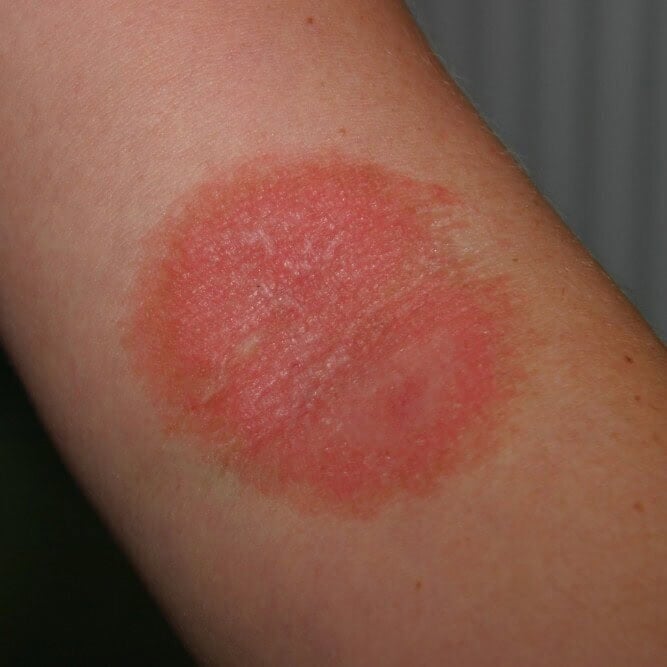
Diagnosing Dermatophytosis in Dogs and Cats: Which Test to Trust?
Dermatophytosis is an infection of keratinized tissues, that is, the hair, the stratum corneum and the claws, by fungi able to digest keratin. In dogs and cats, it is mainly caused by Microsporum canis, Nannizzia gypsea and the Trichophyton mentagrophytes complex. It is contagious and transmissible to humans. The diagnosis should therefore be made as quickly as possible.

New DermaVet Podcast on Update 2026 on Wood’s Lamp, Culture, PCR: Diagnosing Ringworm in Dogs and Cats
Discover our new podcast, Dermavet, this month dedicated to Wood’s Lamp, Culture, PCR: Diagnosing Ringworm in Dogs and Cats
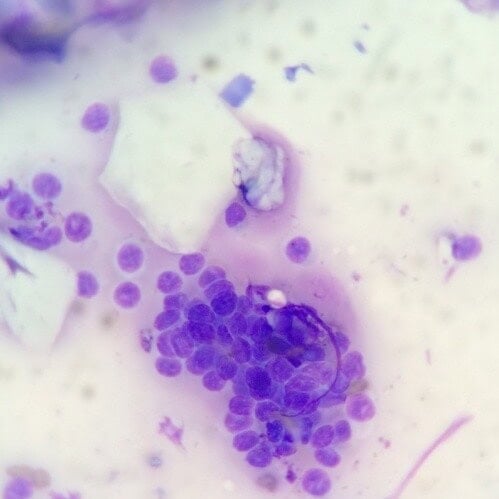
A Case of Cutaneous small cell indolent T-cell lymphoma in a 15-Year-Old Cat
A fifteen-year-old male neutered domestic long-haired cat presented with a roughly two-year history of generalized pruritus, traumatic lesions, and alopecia. The generalized pruritus had been treated with barrier clothing, oral systemic steroids, and Atopica. The pet parent reported that the patient has not been able to be medicated successfully, is generally comfortable although historically the pruritus had waxed and waned.
Update on Veterinary Dermatology Bibliography [August 2026]
To read the 34 new articles published in July 2026, click on the Bibliography tab then News. They are added to all the articles referenced since 1990!
Treatment of Dermatophytosis in Dogs and Cats in 2026: Available Drugs and Updated Protocols
Dermatophytosis is a superficial infection of the skin and hair coat caused by keratinophilic fungi of the genera Microsporum, Trichophyton and Nannizzia. In dogs and cats, Microsporum canis is by far the dominant agent. The disease is contagious, infectious and transmissible to people, which gives it a place of its own in the dermatology consultation. The practitioner treats an animal and protects a household.

Skintopic Diet Reduces Otitis Recurrence in Atopic Dogs
Royal Canin is pleased to present a study published in Veterinary Dermatology that highlights the full benefits of Skintopic in the prevention of otitis externa.

Crucial role of allergist for dogs in allergy management
Allergies in dogs are a widespread concern that many pet owners face. Dogs suffering from allergies often experience constant itching, which can lead to various skin diseases and discomfort.


A Case of Cutaneous small cell indolent T-cell lymphoma in a 15-Year-Old Cat
A fifteen-year-old male neutered domestic long-haired cat presented with a roughly two-year history of generalized pruritus, traumatic lesions, and alopecia. The generalized pruritus had been treated with barrier clothing, oral systemic steroids, and Atopica. The pet parent reported that the patient has not been able to be medicated successfully, is generally comfortable although historically the pruritus had waxed and waned.
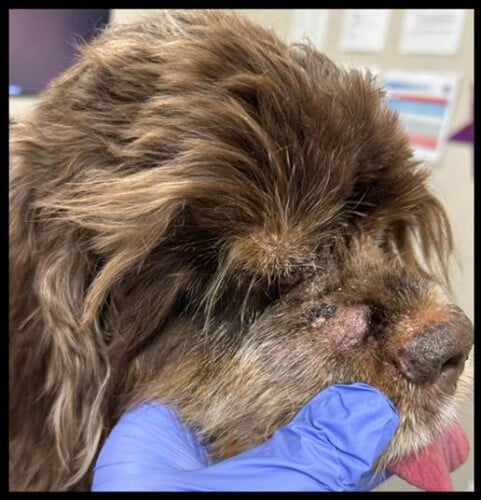
Hyperglobulinemia in a Cocker Spaniel with Multiple Cutaneous Nodules
“Teddy” is a 10 year old male neutered cocker spaniel presented by the owner for multiple cutaneous nodules of 3 months’ duration. He has a chronic history of pancreatitis well managed with a prescription low-fat diet. Both eyes were enucleated 3 years prior to presentation for the skin due to complications related to progressive glaucoma and cataracts.
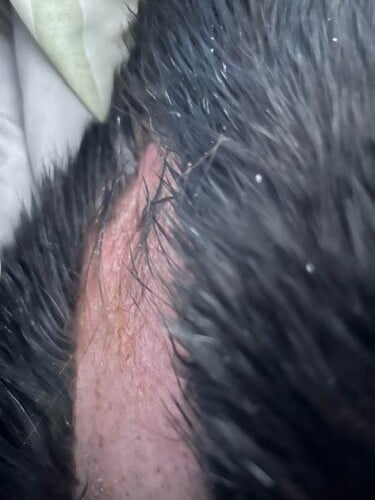
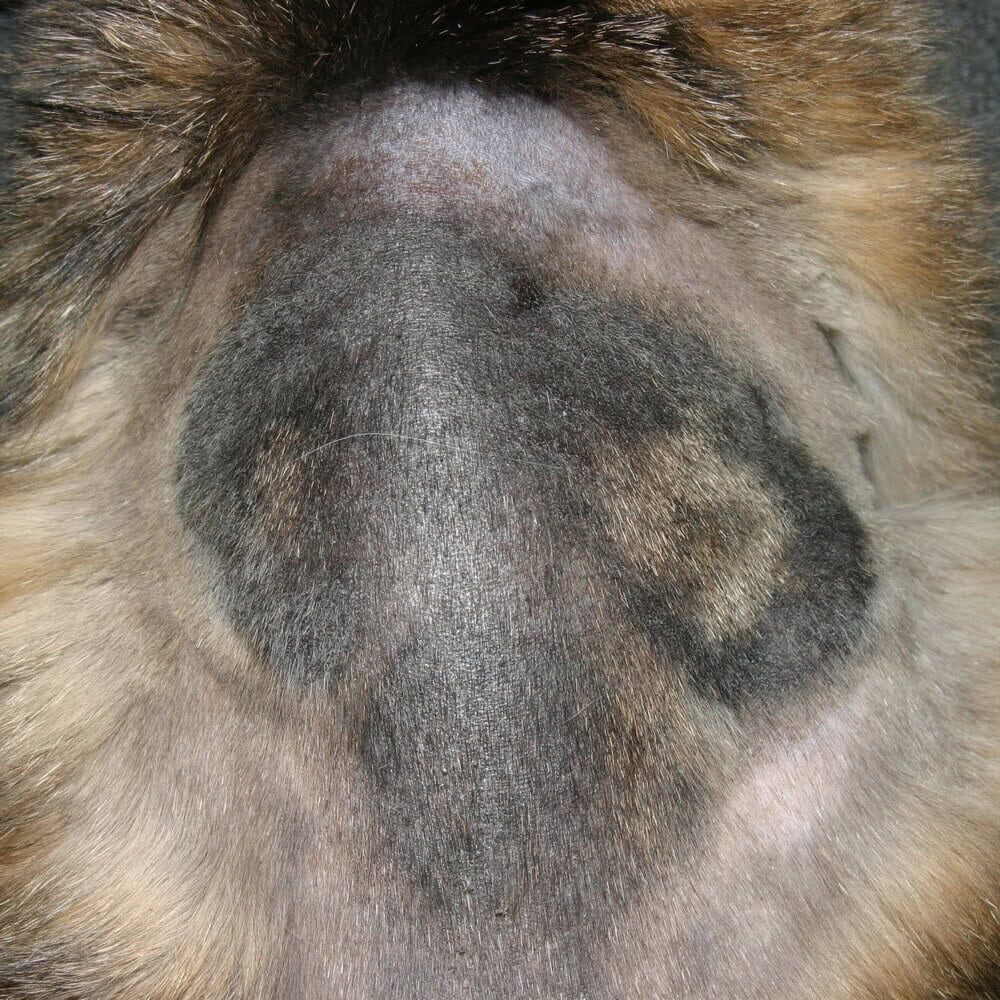
Well-Demarcated Alopecia on the Dorsum of a DSH
Pixie” is a 5y FS DSH who presented for a history of well-demarcated alopecia on the dorsum of more than a year’s duration. The affected area of the dorsum is not especially pruritic that owner has noticed; Pixie occasionally licks her dorsum, but can only reach about the caudal third of the affected area with her tongue when grooming herself.
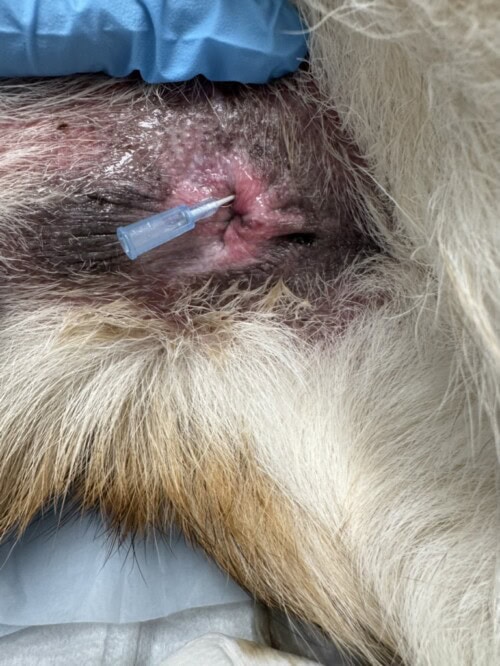
Beyond Expression: An Inflammation First™ Approach to Managing Recurrent Anal Sacculitis
Recurrent anal sac disease is surprisingly common – and easy to underestimate. It is one of the few chronic conditions in small animal practice that is routinely minimized, often distilled down to a quick “just do their glands” during a busy appointment. Because manual expression typically provides immediate relief, it is understandable that owners – and sometimes even clinicians – assume the problem begins and ends with mechanical emptying. Maybe add a little fiber, consider a probiotic, and see the dog next month.
Diagnosing Dermatophytosis in Dogs and Cats: Which Test to Trust?
Dermatophytosis is an infection of keratinized tissues, that is, the hair, the stratum corneum and the claws, by fungi able to digest keratin. In dogs and cats, it is mainly caused by Microsporum canis, Nannizzia gypsea and the Trichophyton mentagrophytes complex. It is contagious and transmissible to humans. The diagnosis should therefore be made as quickly as possible.
Treatment of Dermatophytosis in Dogs and Cats in 2026: Available Drugs and Updated Protocols
Dermatophytosis is a superficial infection of the skin and hair coat caused by keratinophilic fungi of the genera Microsporum, Trichophyton and Nannizzia. In dogs and cats, Microsporum canis is by far the dominant agent. The disease is contagious, infectious and transmissible to people, which gives it a place of its own in the dermatology consultation. The practitioner treats an animal and protects a household.
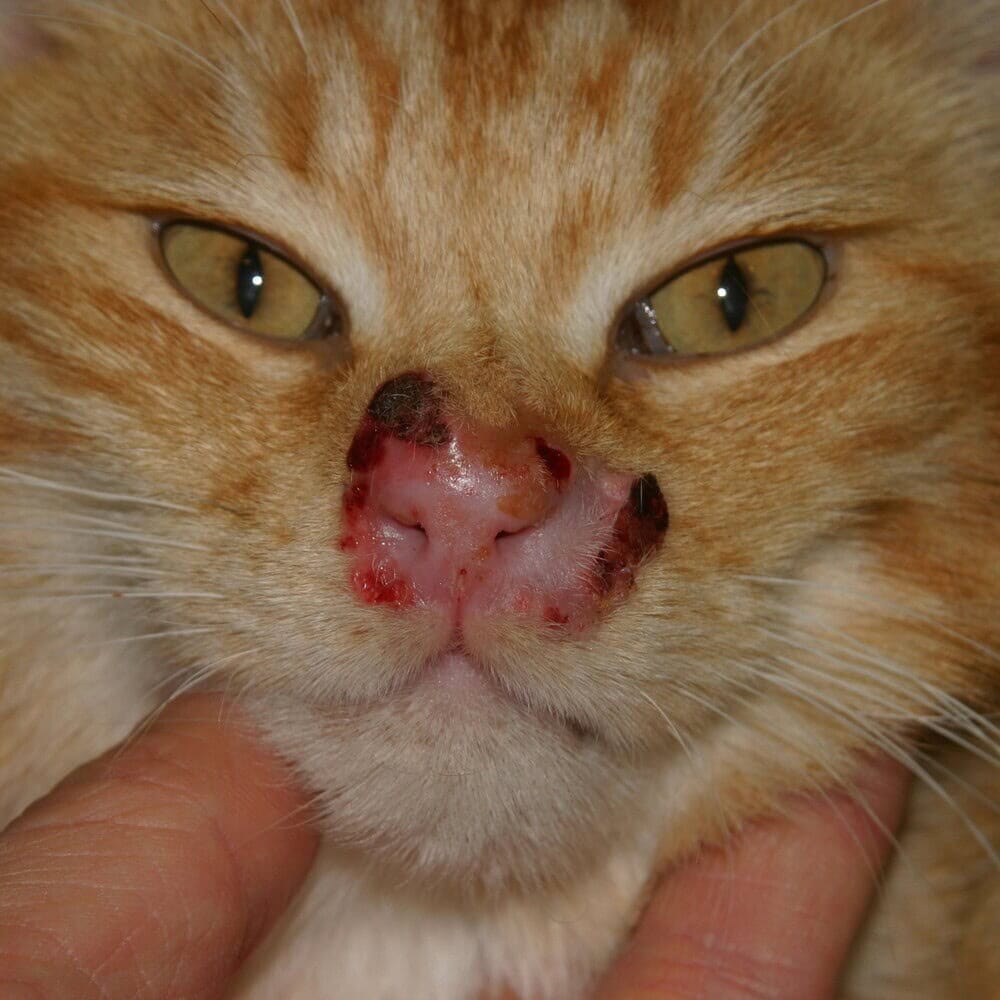
Feline Cutaneous Herpesvirus: Review and Updates 2026
Feline viral dermatoses have long remained in the background, partly due to the lack of easily identifiable causative agents and partly due to the absence of specific treatments. Long known for its respiratory and ocular manifestations, feline herpesvirus type 1 is now recognized as a cause of ulcerative dermatitis, primarily affecting the bridge of the nose.
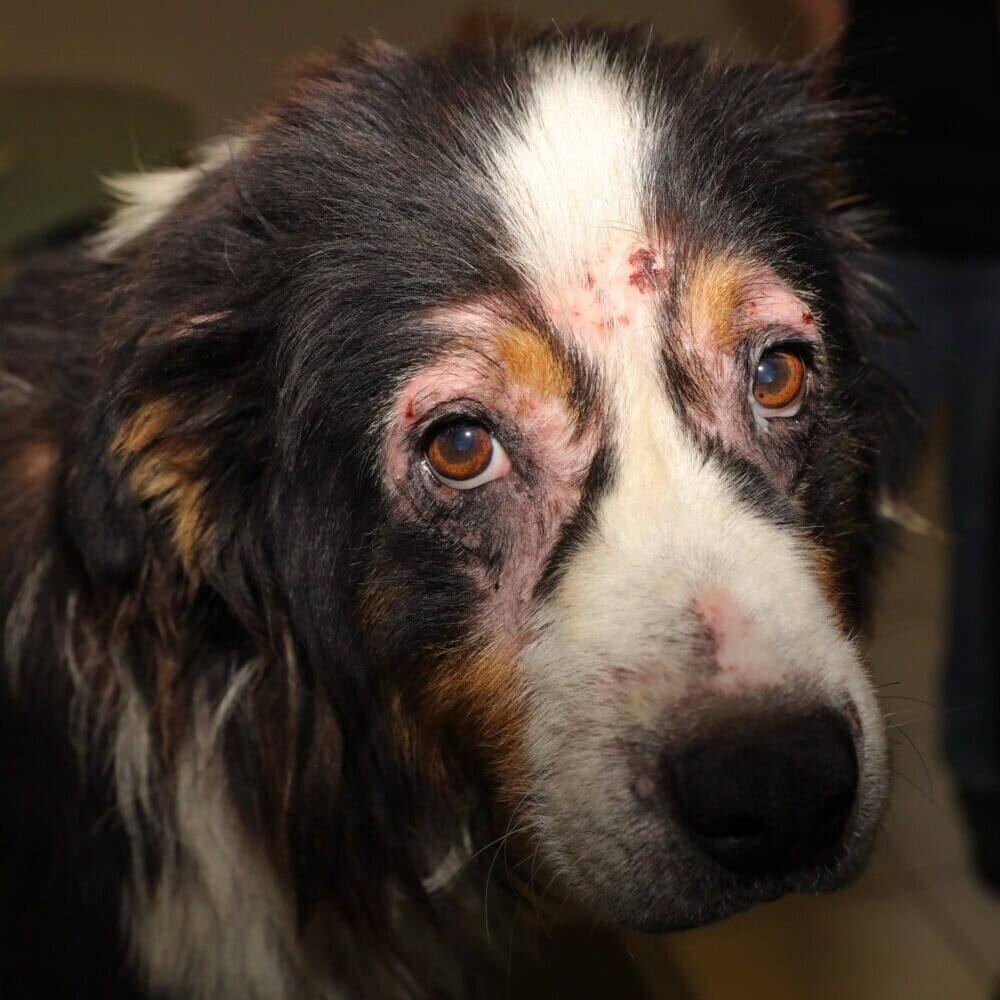
Use of Nexgard and Nexgard Spectra in Canine Dermatology
In veterinary dermatology, afoxolaner, an isoxazoline administered orally in dogs, has transformed the management of demodicosis, sarcoptic mange, and infestations by fleas and ticks in particular. This article provides a comprehensive review ranging from pharmacology to the latest publications, covering both Nexgard and Nexgard Spectra.
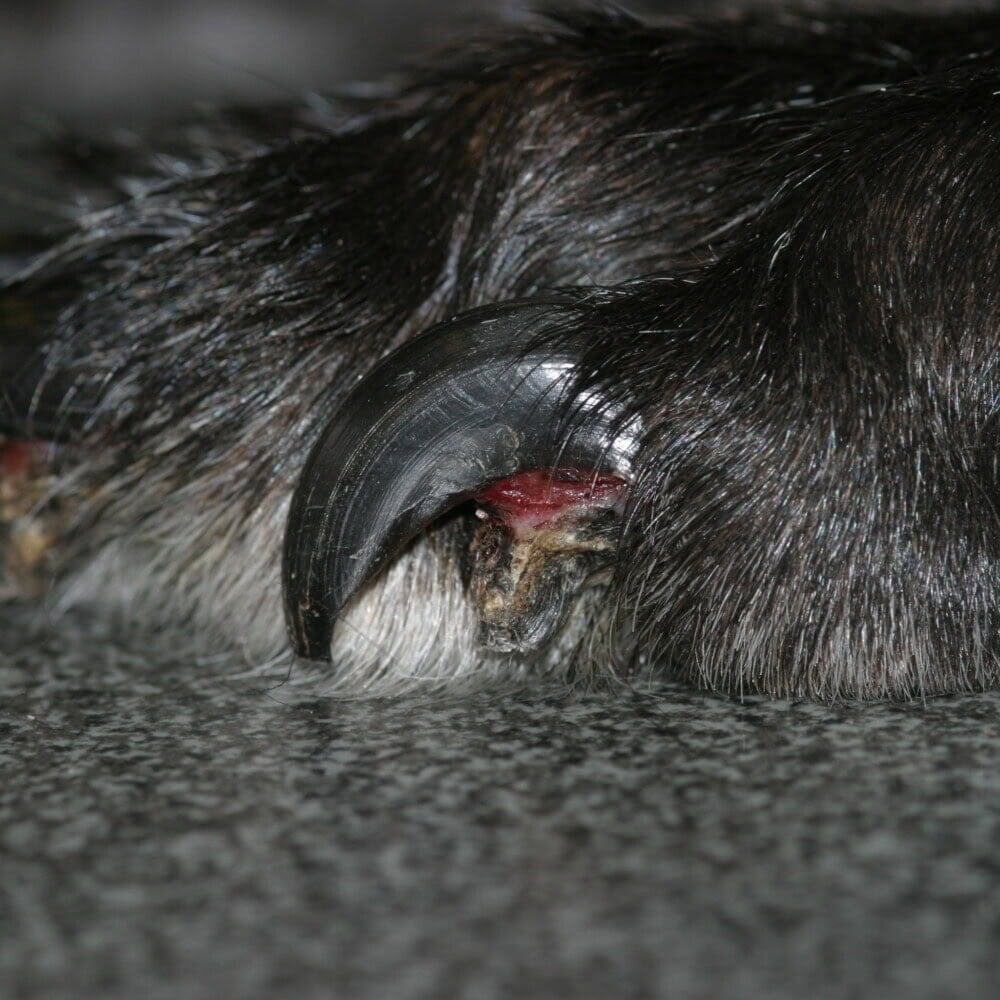
News and Update on Canine Symmetrical Lupoid Onychodystrophy
Symmetrical lupoid onychodystrophy affects all claws on all four limbs within a few weeks, turning the focal detachment of a single claw into a painful generalized condition. Primarily described in the Gordon Setter with a prevalence reaching 12.6% and in the Bearded Collie where it is on the rise, it remains the most common immune-mediated nail disorder in dogs. This review details recent data, from the genetic substrate to current therapeutic strategies.